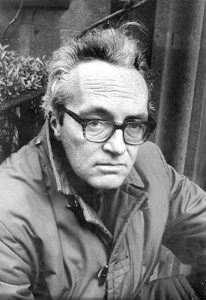
We saw it all. We saw the souvenir shops, and sitting
on the mist above the falls, the brilliant signs
saying hotels to love in, cigarettes to smoke,
souvenirs for proof; we give you anything you want,
even towels. Our disgust was as stylized as billboards,
and we suggested to ourselves that even our sympathy
for the ugly people of the off-season was outworn.
But here it was, nevertheless, the ferocious, spastic
enjoyment, the hotels like freight-yards or packing crates,
the lights that murder sight, and the community snicker.
The falls, of course, continued with great dignity.
C.D. Onofrio playing at Taps Brewery, Niagara Falls
Italian Angel of Gelato
Watching over me
a plea
a very simple plea
don’t you ever change what you do or the way you are
Italian Angel of Gelato
Saint of Christ
Christian Spiritual Warrior
Italian Angel of Gelato
We are a part of something
We didn’t know it until we were
We didn’t say anything,
no formal announcement
no insignia or trademark
or logo
Italian Ice Cream – located at 5458 Victoria Ave., Niagara Falls,Ontario
We knew it when we felt it
looking into angelic eyes
high on the holy
and saintly and wise
delving into life’s simple pleasures
and finding God there
sitting back and listening
and finding God there
playing like children
and finding God there
sharing a drink
and finding God there
opening small doors with sophisticated handles
and finding tartuffo as far as the eye can see
the delicate look on the little girl’s face as she touches her tongue
to her first bite of strawberry ice cream
and to know the sort of spirit that went into it
it’s like innocence meets innocence
and when they shake hands
there’s a holy moment subtly happening
hoping that time is a playful little child
laughing with her tongue out
and minding not the least that gelato melts down her chin
she holds her spoon up in the air like a magic wand
waving her elated little hand for mamma
to come and share in her treasure
and mamma looks right into her
and makes a note to remember
(Inspired by Italian Ice Cream and its owners, the Vergalito family)
I think of the Niagara
and if I say
“the river it seems remembers nothing”
and you might say
“What?” you might say “are you crazy?”
and if I say
“well, the War of 1812 was fought here
from mouth to source
and it was
the worst conflict, the most violent
ever fought by Europeans
right here on Canadian soil…
not as ‘remember the Alamo’
but as ‘remember Lundy’s Lane'”
the heat of battle
to the death–the worst in North America
until the Civil War
yet if you travel now
to the sight
it’s like hardening of the arteries
of history
it’s carnival traffic, tarmac
and the roar of a frothy falls
full of whisky barrel values
like empty thread spools
dangling from a mad tailor
and all you see
is Blondin on his tight rope
over the rapids
not the red wind
of a single crimson night
how many summers ago
and gone
and if I say
“go to the heights above Burlington Bay
and listen for those headless ghosts
of eight men hanged
go to Queenston
and watch the far banks
for the bad boats
go to Newark/Niagara
and look for the conflagration
listen for the hiss of torches
and the crash of blackened rafters
go to little St. David’s
ride there on a dead horse
trample the vineyards
watch for the wine stain
in the blight of fire and ink
and if by
the echo of a wet rock
if by the strangled cry
of some turning eddy
foaming round in eternal rubble
wearing the shape of the flow
perilous enough
to the jarred heel
to spin a man’s craft
and crack his memory loose
as quick as a war club will
and if I look
to this land
and see
how a man is missed
as if he were never there
how his shape might drop away
like a walker in the fog
some phantom colour fading in the mist
with a ragged twin
of someone watching from the other way
what of this
this earth that holds us
this deeper gravity
this float of stones
these stories
dead tongues tell?
(a found poem from the unpublished writings of Bishop John Strachan)
Bishop John Strachan
My brother, after some hesitation, ventured down the precipice; and, having reached the bed of the river below, we were well rewarded. It was now that my expectations were realized: the height of the rock — the thundering of the Fall — the spray forming in rain-bows — the vast volume of water rolling over the impending precipice, produced a sensation overpoweringly sublime.
Source: Colombo, John Robert; and Strachan, John. John Toronto: New Poems by Dr. Strachan Found by John Robert Colombo. [Ottawa] : Oberon Press, 1969.
From the dust jacket: The poems are taken verbatim from Strachan’s uncollected writings. They are poems by virtue of the special character of their eloquence. They are new in that they speak with fresh urgency and directness to a new age.